Monaco-Ville

Discover more about Monaco-Ville

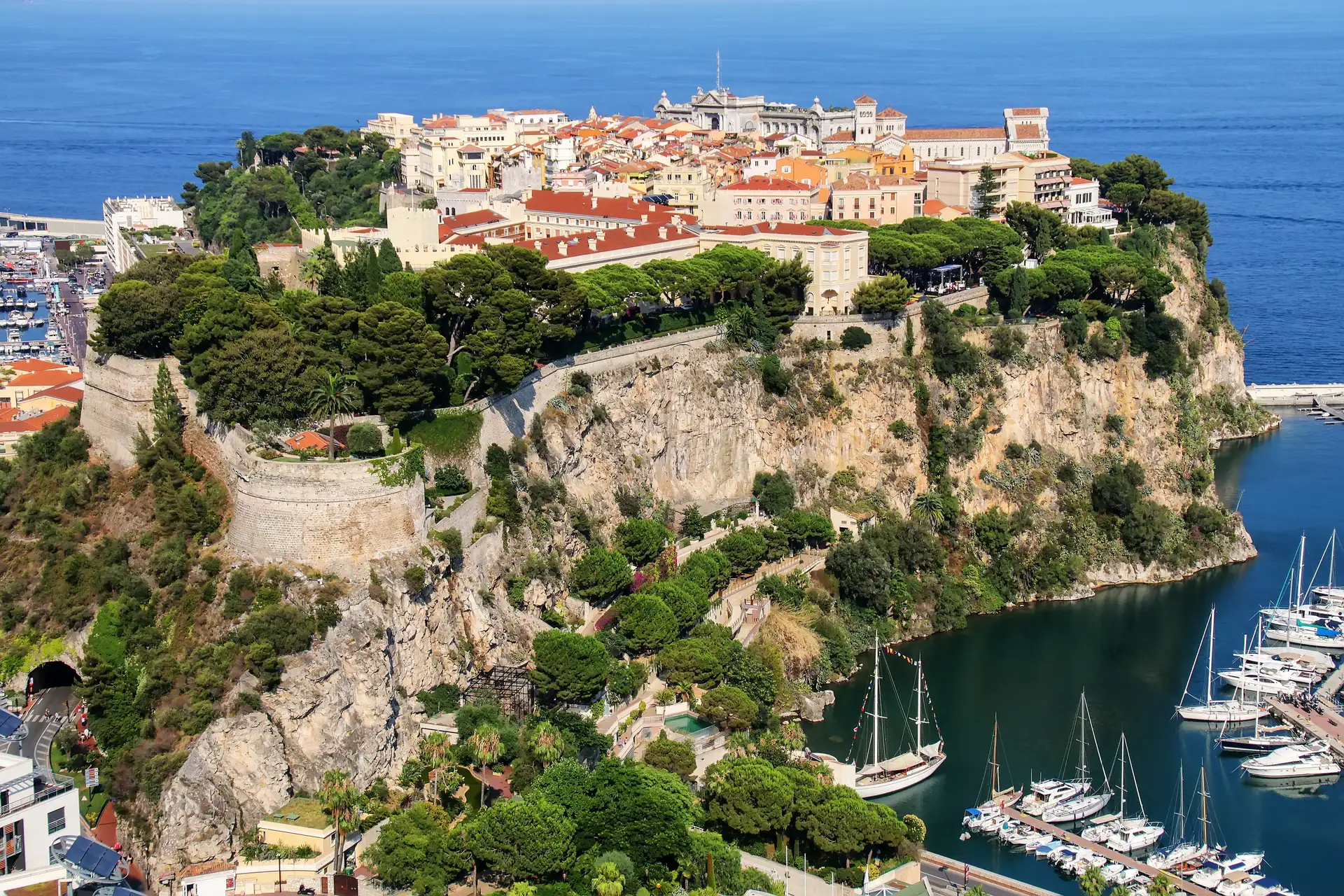
Monaco-Ville occupies Le Rocher, the rocky promontory overlooking the port and the city below. As the oldest district in the Principality, it is defined by governance, national institutions and historic architecture rather than residential volume. The area plays a central role in Monaco’s political, religious and administrative life, with a built environment shaped by long-term continuity and preservation.
Nearby Landmarks
The landmarks of Monaco-Ville reflect its institutional role and historical importance. Palaces, religious buildings and scientific institutions define the district, alongside the historical center with its quaint old streets and shops that support the daily activity of visitors and residents.
Prince's Palace of Monaco
Prince’s Palace of Monaco
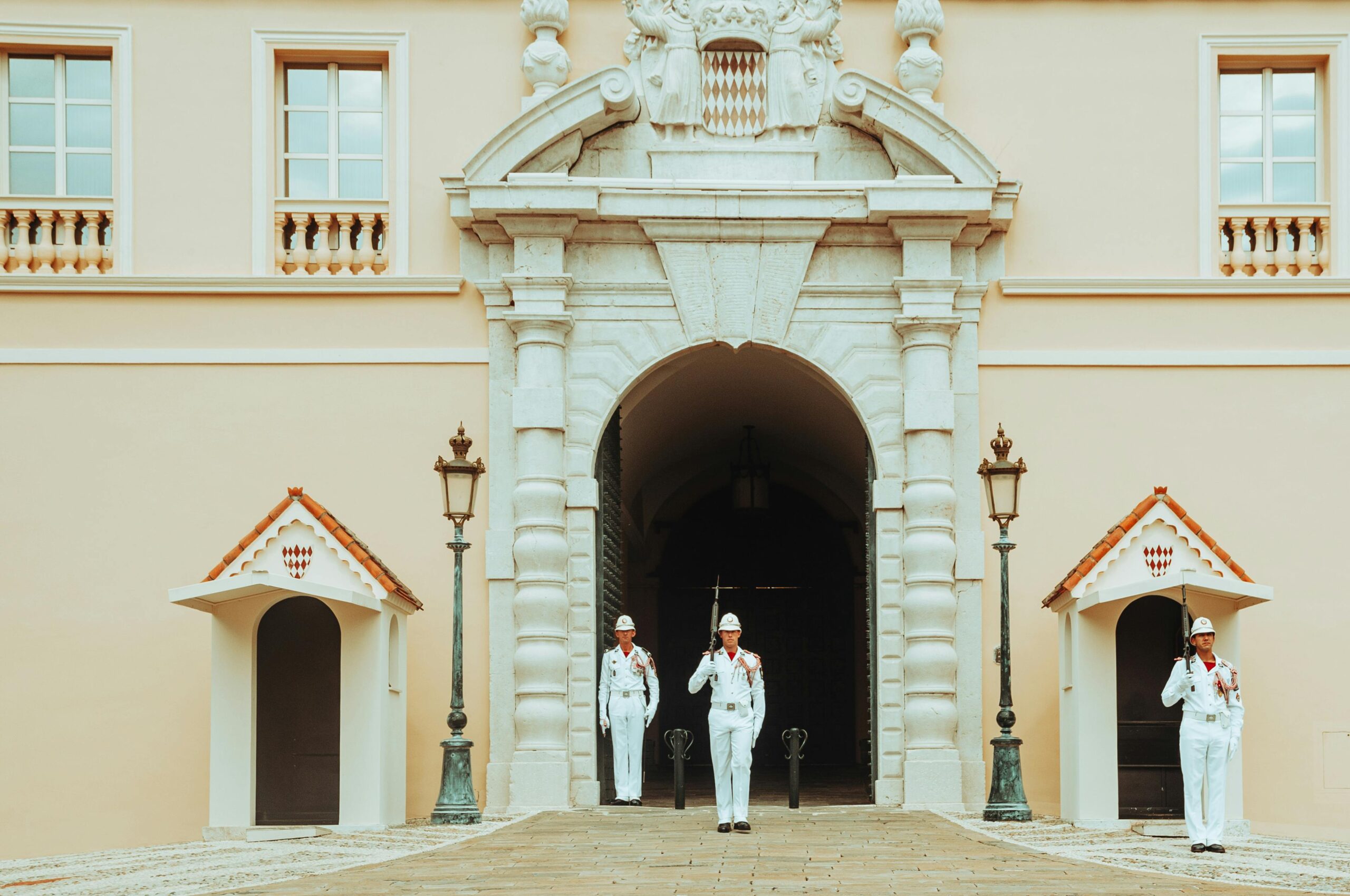
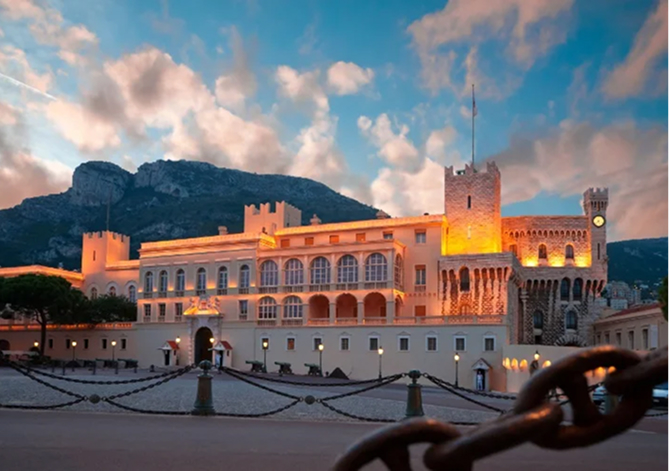
The Prince’s Palace of Monaco is the official residence of the Sovereign Prince and has occupied its position on Le Rocher for centuries. Originally constructed as a fortified structure, the building has evolved over time while maintaining its role at the centre of Monaco’s governance. Today, the palace continues to serve both residential and institutional functions, hosting official ceremonies, state events and administrative activity. Its position on Le Rocher places the palace above the port and the surrounding city, making it a visible reference point within Monaco-Ville. While parts of the palace are accessible at specific times, its primary significance lies in its ongoing institutional role rather than public use.
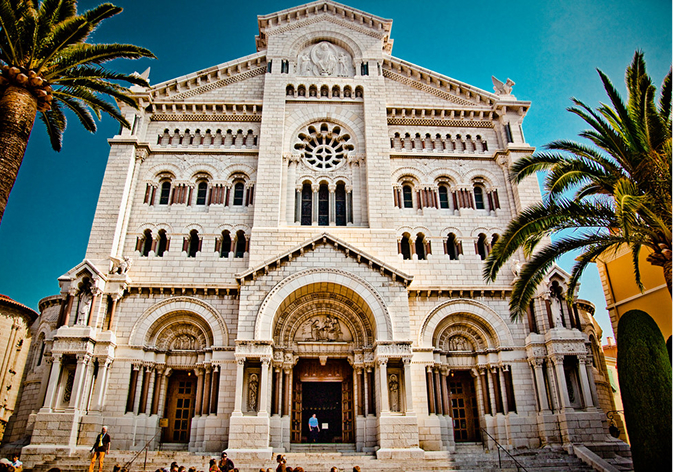
Saint Nicholas Cathedral façade in Monaco-Ville Monaco
Monaco Cathedral
Monaco Cathedral, also known as Saint Nicholas Cathedral, is a Romanesque-Byzantine structure completed in the late nineteenth century using white stone sourced from the surrounding region. It serves as the main place of worship for the Principality and hosts official religious services linked to national ceremonies. The cathedral is the burial site of several members of the Grimaldi family, including Prince Rainier III and Princess Grace, reinforcing its national significance. Beyond its religious role, the building forms an integral part of Monaco-Ville’s institutional landscape, where civic, religious and state functions intersect.
Oceanographic Museum of Monaco
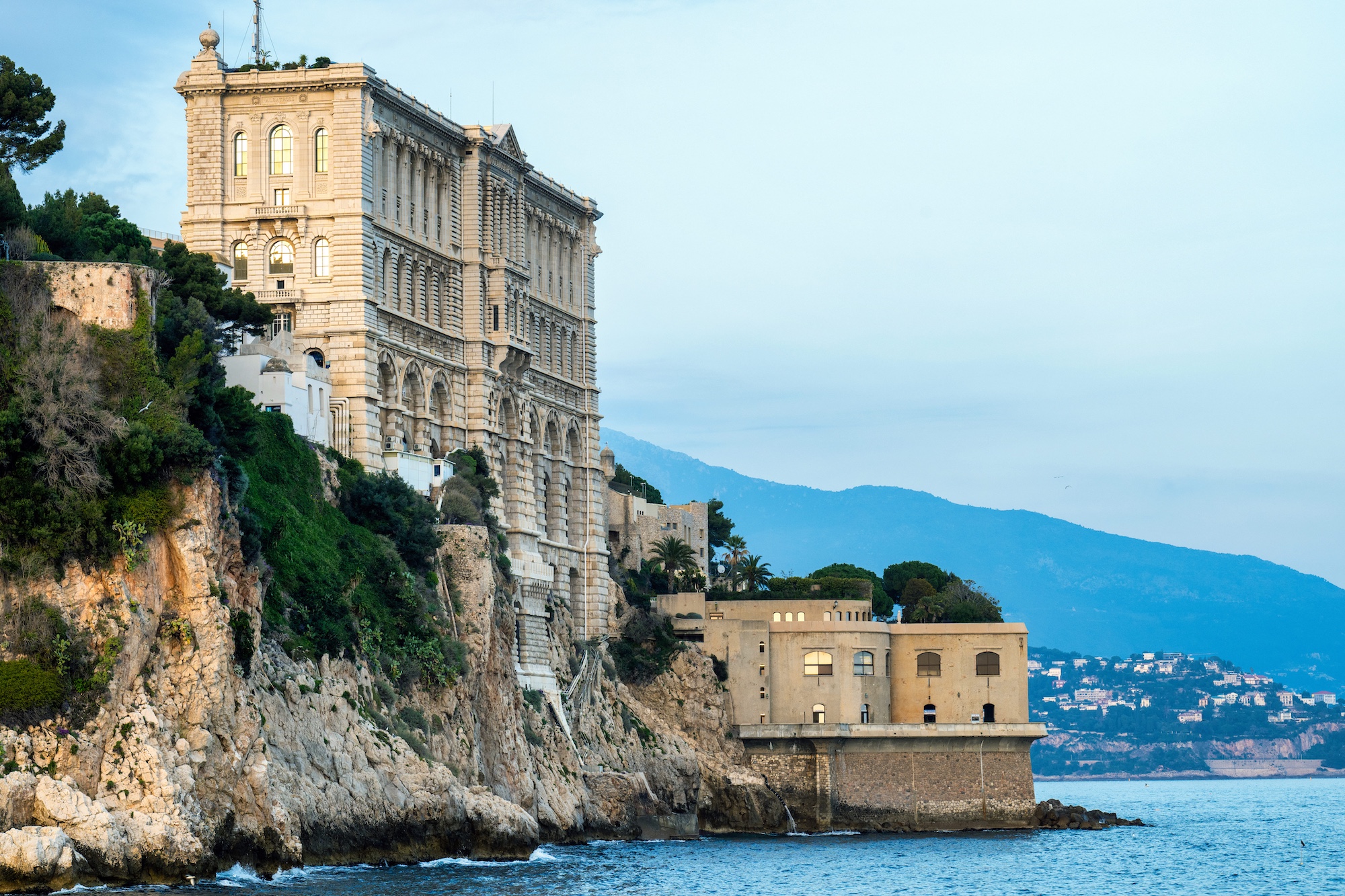
The Oceanographic Museum of Monaco is a scientific institution dedicated to marine research, conservation and education. Founded in the early twentieth century, it occupies a prominent position on the cliffs of Le Rocher, directly above the sea. While widely recognised for its public exhibitions, the museum’s core mission centres on research, environmental advocacy and international collaboration. Architecturally, the building forms part of Monaco-Ville’s preserved historic fabric, with its scale and materials responding to the surrounding urban context. Its presence reflects the district’s long-standing association with national institutions and intellectual activity.
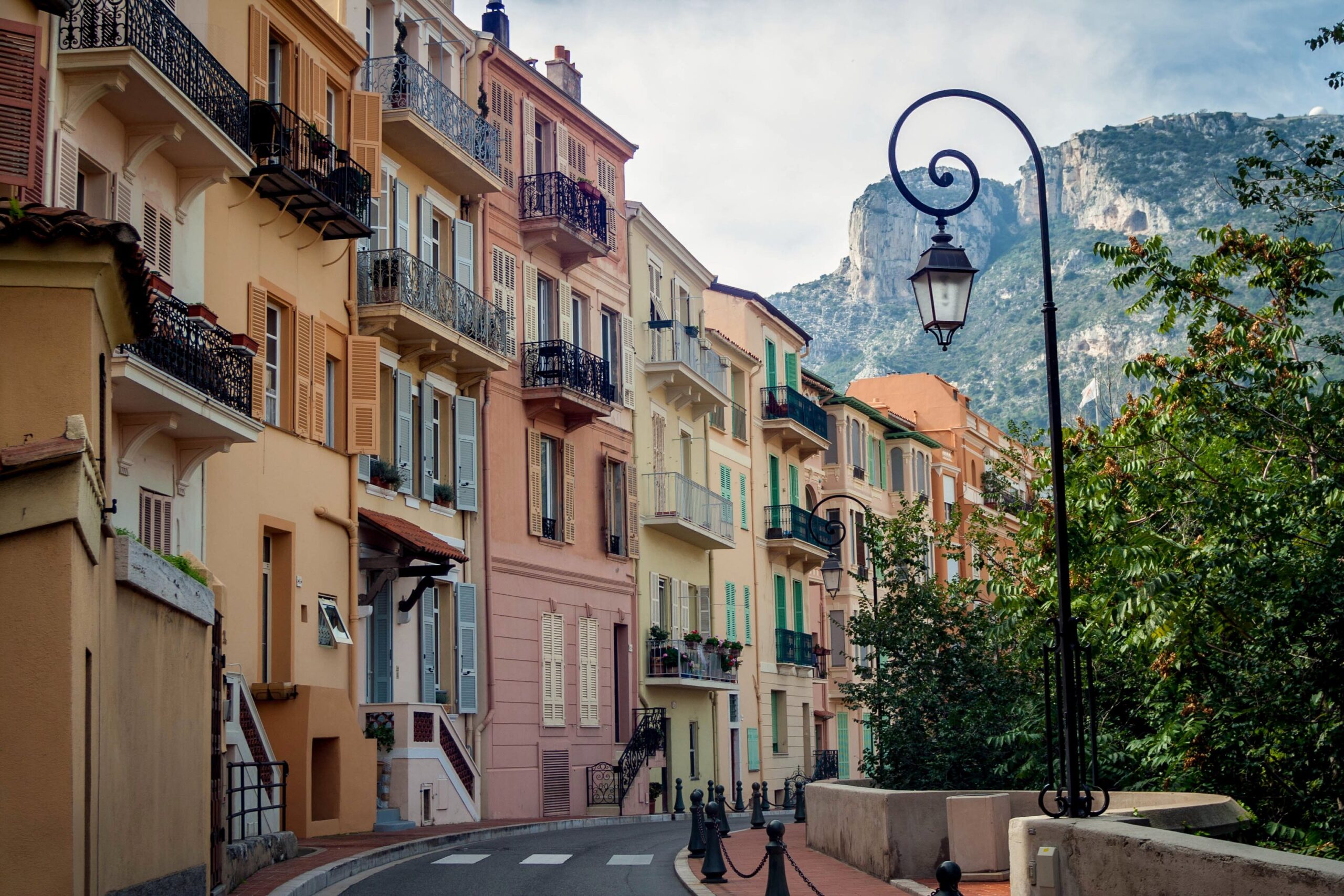
Quaint residential streets in Monaco-Ville - Monaco Real Estate
Rue Comte Félix Gastaldi & Old Town Streets
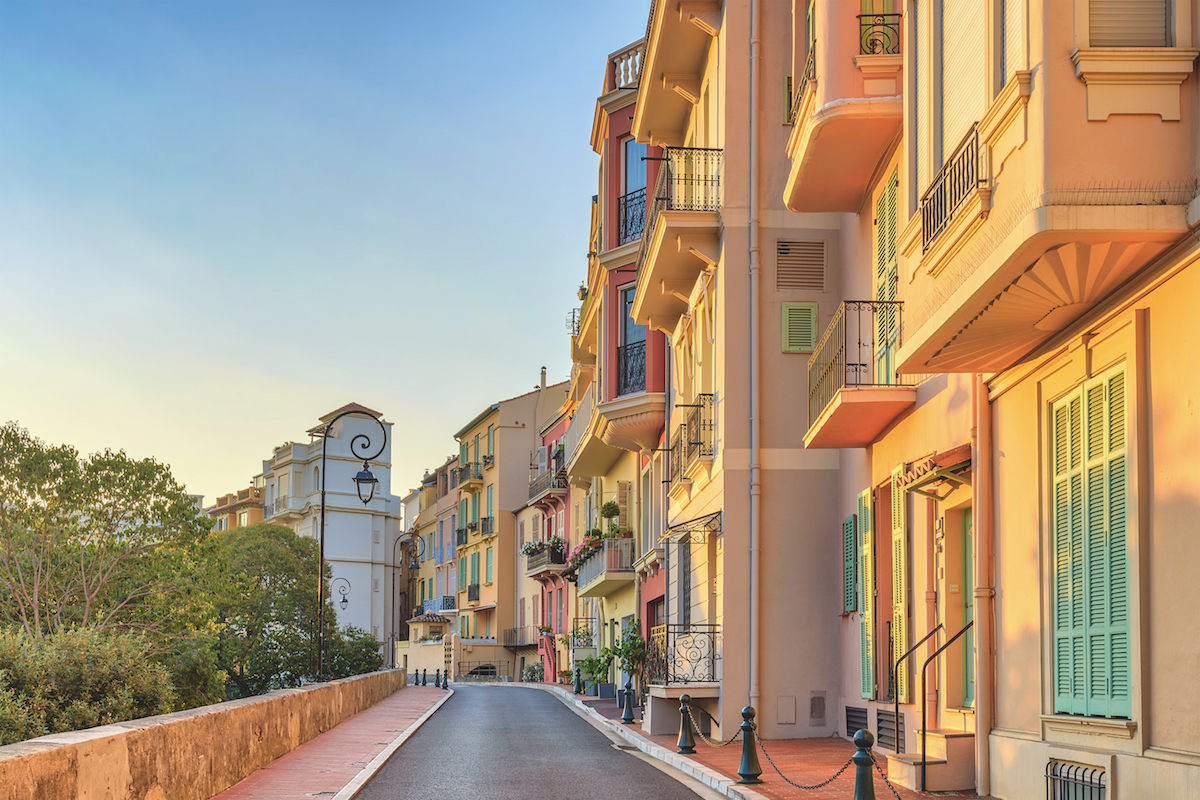
Rue Comte Félix Gastaldi and the surrounding old town streets represent the historic urban fabric of Monaco-Ville. The narrow, predominantly pedestrian routes follow a layout shaped by centuries of continuous occupation, with buildings positioned closely together and aligned with the contours of Le Rocher. These streets accommodate a mix of residential dwellings, institutional premises and small local services, reflecting Monaco-Ville’s ongoing role as a functioning administrative district. For residents, this street network defines daily movement and reinforces continuity between the district’s historical origins and its present-day use.

Location Map

Monaco-Ville — the historic and institutional centre of the Principality, set on Le Rocher above the port.

Institutional and historic focus

Monaco-Ville is defined by national institutions, governance and historic architecture rather than by residential development or commercial activity.
Guards waiting in front of Prince's Palace in Monaco

A distinct residential context

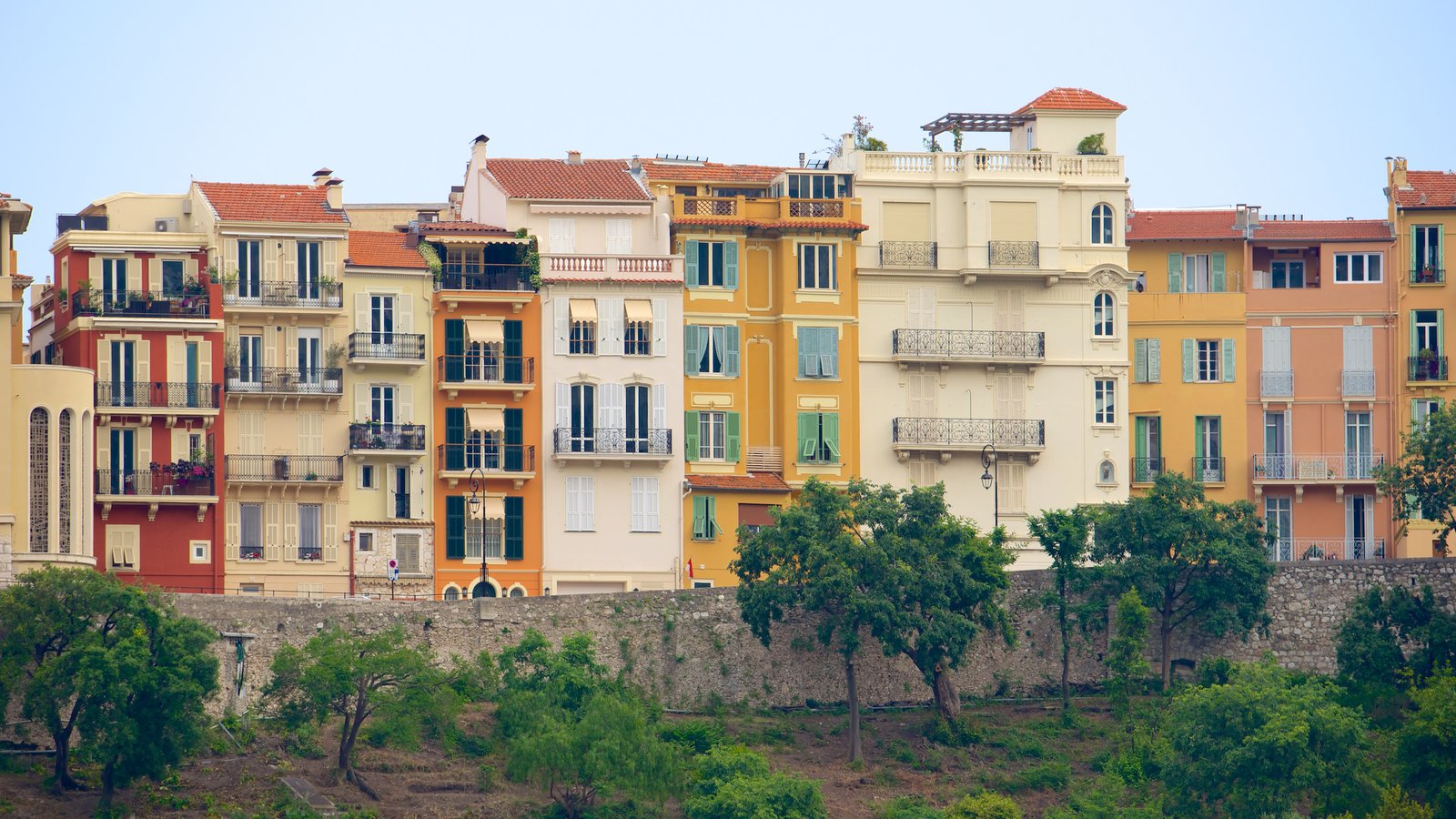
Residential properties in Monaco-Ville are limited in number and integrated into preserved historic buildings, offering a living environment shaped by protection and institutional surroundings.
Monaco-Ville streets

Market Insights: Monaco-Ville

According to the Monaco Real Estate Observatory, property activity in Monaco-Ville remains limited due to restricted housing stock and the district’s institutional and historic character. Transactions are infrequent and typically involve long-held properties, resulting in a tightly held market with limited availability.
Monaco-Ville on the Rock
Monaco-Ville in numbers
7
Resales in 2025
14.7M
Total resale value
218
Buildings in the neighbourhood
1.6%
Share of Monaco’s resales

Properties for sale in Monaco-Ville

Explore a limited selection of Monaco-Ville properties currently available. Details available on request.

Get in touch

Whether you’re looking to buy or rent a property, or if you’re looking to sell 
or let your property, reach out to one of our specialists for expert advice.
Address: 15 rue de Millo, 98000, Monaco

Telephone: +377 93 25 86 66 | Mobile: +33 6 80 86 82 16
Email: caroline@carolineolds.com

FAQ’s

A: No. Monaco-Ville is primarily an institutional and historic district, with limited residential properties integrated into its historic fabric.
A: Living in Monaco-Ville is shaped by historic architecture, pedestrian streets and proximity to national institutions rather than by modern residential amenities.
A: No. Due to restricted housing stock and long-term ownership, property availability in Monaco-Ville is limited.
A: Commercial activity is minimal and largely limited to local services supporting daily life within the district.
A: Buyers are often drawn by the district’s historical significance, institutional role and unique position within the Principality.
Copyright © 2026 Caroline Olds. All rights reserved. Design By Pelekan Design